Q1: What is the primary function of the STMicroelectronics L9301-TR?
A1: The STMicroelectronics L9301-TR is a high-power H-Bridge motor driver IC designed for controlling DC motors, stepper motors, and other inductive loads in automotive and industrial applications.
Q2: What types of motors can the L9301-TR control?
A2: The L9301-TR is capable of controlling various types of motors, including DC motors, stepper motors, and small inductive loads, making it versatile for different motor control applications.
Q3: What is the maximum output current of the L9301-TR?
A3: The L9301-TR can provide a continuous output current of up to 1.5A, with higher peak currents for short durations, making it suitable for medium-power motor control applications.
Q4: What is the supply voltage range for the L9301-TR?
A4: The L9301-TR operates within a supply voltage range of 4.5V to 36V, allowing it to be used in various voltage environments across automotive and industrial systems.
Q5: Does the L9301-TR have any protection features?
A5: Yes, the L9301-TR includes built-in protection features such as overcurrent protection, thermal shutdown, and undervoltage lockout, which ensure safe and reliable operation under adverse conditions.
Q6: Can the L9301-TR be used in automotive applications?
A6: Yes, the L9301-TR is specifically designed for automotive applications, offering high performance and robustness required for use in automotive power systems and motor control.
Q7: What is the package type of the L9301-TR?
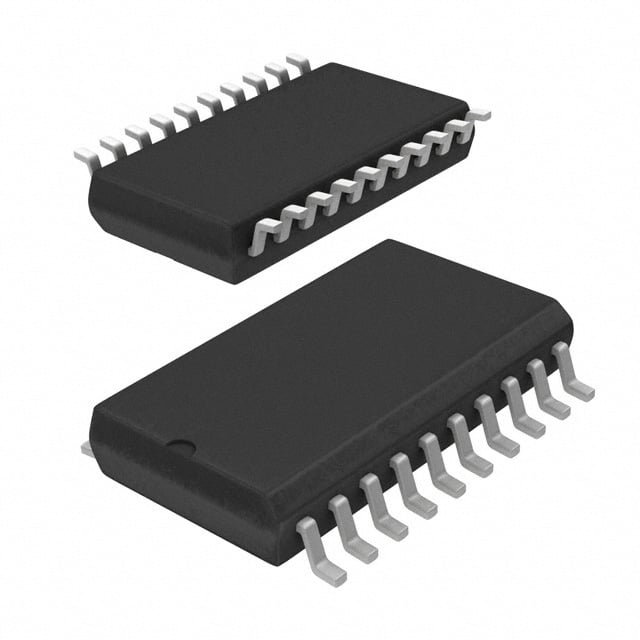
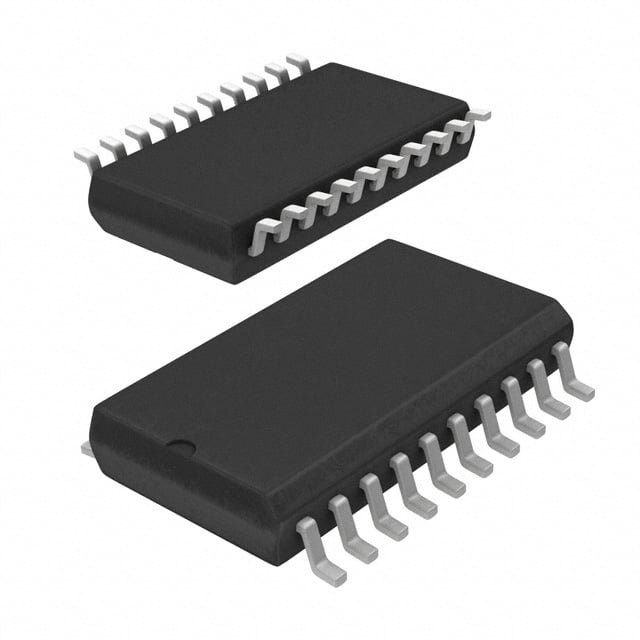
A7: The L9301-TR is available in a PowerSO-20 package, which is a compact, thermally efficient package ideal for space-constrained applications in automotive and industrial environments.
Q8: Is the L9301-TR capable of bidirectional motor control?
A8: Yes, the L9301-TR supports bidirectional motor control, allowing it to drive motors in both directions, which is ideal for applications requiring reversible motor motion.
Q9: What are the key features of the L9301-TR?
A9: The L9301-TR features include high current handling, low saturation voltage, integrated thermal and overcurrent protection, and the ability to drive DC motors and stepper motors with bidirectional control.
Q10: What is the switching frequency of the L9301-TR?
A10: The L9301-TR operates at a switching frequency of up to 20kHz, making it suitable for applications requiring precise motor control without introducing significant audible noise.
Q11: What type of feedback does the L9301-TR provide for motor control?
A11: The L9301-TR provides feedback for motor control applications via a current sense pin that can be used for motor current monitoring and protection features.
Q12: Can the L9301-TR be used for controlling high-power motors?
A12: Yes, the L9301-TR is designed for controlling high-power motors, especially in automotive and industrial settings where it can handle significant power levels with high efficiency.
Q13: Does the L9301-TR have a low-power mode?
A13: Yes, the L9301-TR includes a low-power standby mode, which allows the device to reduce power consumption when the motor is not in operation, increasing system energy efficiency.
Q14: What are the thermal performance characteristics of the L9301-TR?
A14: The L9301-TR is designed to operate in environments with a wide temperature range, and it includes thermal shutdown protection to prevent damage due to excessive temperatures.
Q15: Can the L9301-TR be used for both stepper and DC motors simultaneously?
A15: Yes, the L9301-TR can control both stepper motors and DC motors in different applications, but the configuration and control method may vary depending on the type of motor.
Q16: What is the efficiency of the L9301-TR?
A16: The L9301-TR offers high efficiency due to its low saturation voltage and optimized H-Bridge design, making it an ideal choice for applications requiring efficient motor control.
Q17: What is the maximum power dissipation of the L9301-TR?
A17: The L9301-TR is designed to minimize power dissipation, with typical power losses being low thanks to its efficient H-Bridge design and integrated protection features.
Q18: How does the L9301-TR handle motor overcurrent situations?
A18: The L9301-TR has built-in overcurrent protection, which automatically shuts down or limits the output current to prevent damage to the motor driver and the motor itself in the event of an overcurrent condition.
Q19: What are the input control signals for the L9301-TR?
A19: The L9301-TR accepts standard logic-level inputs for controlling motor direction, speed, and enable/disable states, making it easy to interface with microcontrollers and other logic devices.
Q20: Is the L9301-TR suitable for industrial applications?
A20: Yes, the L9301-TR is well-suited for industrial applications, where it can be used in motor control systems for automated machinery, robotics, and other industrial automation processes.