The Texas Instruments LM258AD is a dual operational amplifier that is widely used in various electronic applications due to its versatility, reliability, and performance characteristics. Below is a detailed introduction to the LM258AD, including its specifications and typical applications.
## Overview
The LM258AD is a general-purpose operational amplifier that features two independent, high-gain, internally frequency-compensated amplifiers. It is designed to operate from a single power supply or dual power supplies, making it suitable for a wide range of applications, including signal conditioning, filtering, and amplification.
## Key Features
1. Dual Amplifier Configuration: The LM258AD contains two operational amplifiers in a single package, which allows for space-saving designs in circuit layouts.
2. Wide Supply Voltage Range: The device can operate with a supply voltage ranging from 3V to 32V for single supply and ±1.5V to ±16V for dual supply configurations.
3. High Gain: The LM258AD offers a high open-loop voltage gain of 100 dB (typical), which is beneficial for applications requiring significant amplification.
4. Low Input Offset Voltage: The input offset voltage is typically 2 mV, ensuring accurate signal processing with minimal error.
5. Low Noise: The operational amplifier features low noise characteristics, making it suitable for audio and precision applications.
6. Wide Bandwidth: The device has a unity-gain bandwidth of 1 MHz, allowing it to handle a variety of signal frequencies effectively.
7. Short-Circuit Protection: The LM258AD includes internal short-circuit protection, enhancing its reliability in various applications.
8. Temperature Range: The operational amplifier is rated for operation over a temperature range of -40°C to +85°C, making it suitable for industrial and automotive applications.
## Specifications
Here are the key specifications of the LM258AD:
- Supply Voltage (V+ to V-): 3V to 32V (single supply), ±1.5V to ±16V (dual supply)
- Input Offset Voltage (VOS): 2 mV (typical)
- Input Bias Current (IB): 20 nA (typical)
- Input Impedance: 2 MΩ (typical)
- Open-Loop Voltage Gain (AOL): 100 dB (typical)
- Common-Mode Rejection Ratio (CMRR): 100 dB (typical)
- Power Supply Rejection Ratio (PSRR): 100 dB (typical)
- Unity-Gain Bandwidth: 1 MHz (typical)
- Slew Rate: 0.5 V/µs (typical)
- Output Voltage Swing: 1.5V from the rails (typical) with a load of 10 kΩ
- Total Harmonic Distortion (THD): 0.01% (typical at 1 kHz)
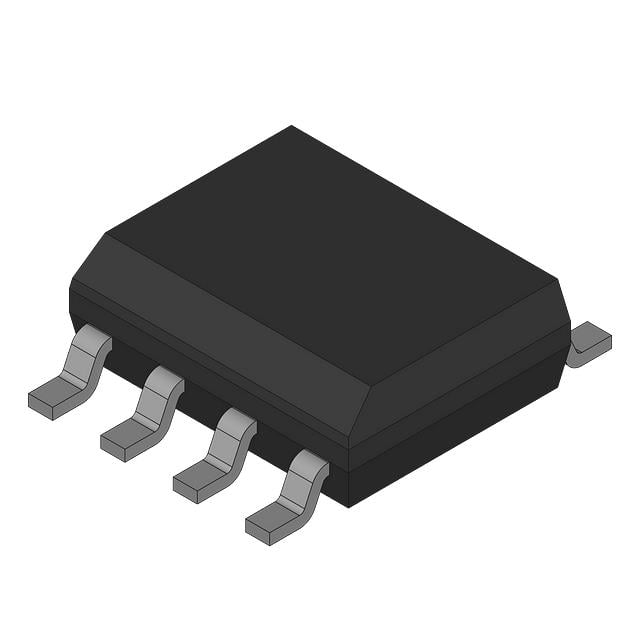
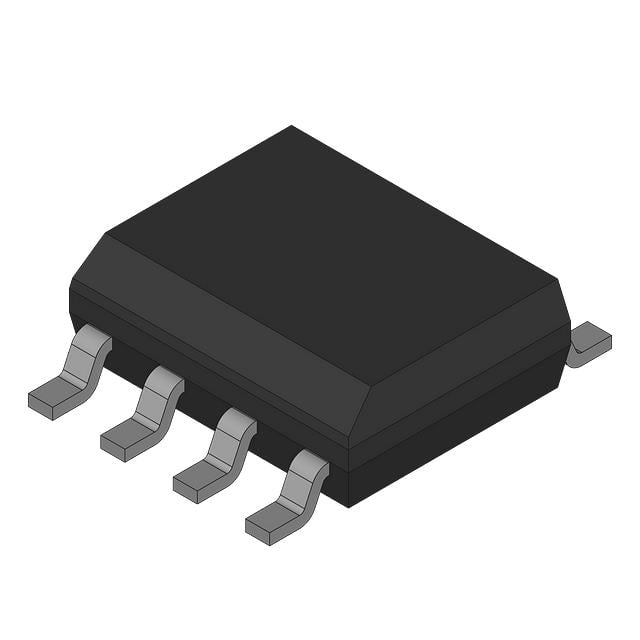
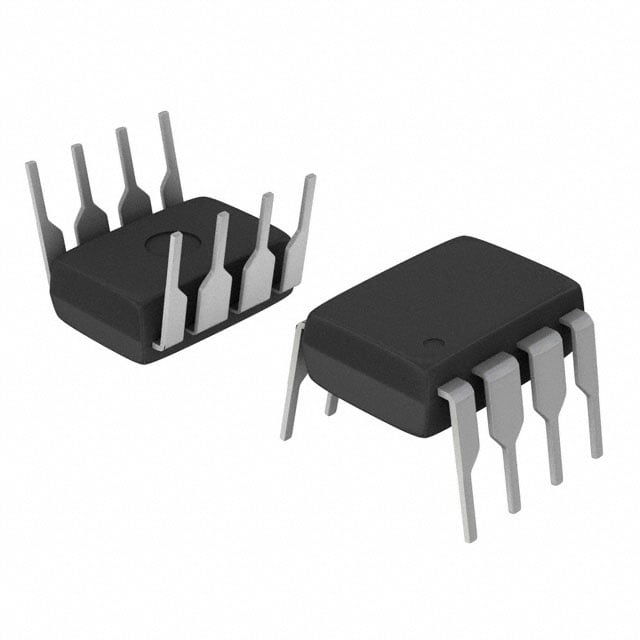
- Package Types: Available in various packages, including DIP-8, SOIC-8, and TSSOP-8.
## Applications
The LM258AD is suitable for a wide range of applications, including but not limited to:
- Signal Conditioning: Amplifying weak signals from sensors or transducers.
- Active Filters: Implementing low-pass, high-pass, band-pass, and notch filters.
- Audio Amplification: Used in audio processing circuits for amplifying audio signals.
- Data Acquisition Systems: Conditioning signals for analog-to-digital converters (ADCs).
- Voltage Followers: Buffering signals to prevent loading effects on previous stages.
## Conclusion
The Texas Instruments LM258AD is a robust and versatile operational amplifier that meets the needs of various electronic applications. Its dual configuration, wide supply voltage range, and excellent performance characteristics make it a popular choice among engineers and designers. Whether used in consumer electronics, industrial equipment, or automotive systems, the LM258AD provides reliable and accurate signal processing capabilities.