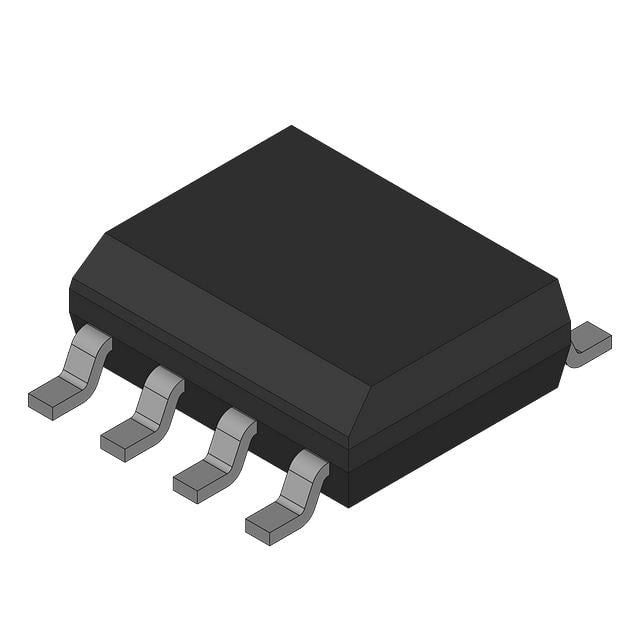
Overview of Texas Instruments BQ25895MRTWR
The Texas Instruments BQ25895MRTWR is a highly integrated, flexible battery charger designed for single-cell lithium-ion (Li-ion) and lithium-polymer (Li-Po) batteries. This device is particularly suitable for portable applications, including smartphones, tablets, and other battery-operated devices. The BQ25895 offers advanced features such as high efficiency, programmable charging currents, and a variety of protection mechanisms, making it an ideal choice for modern battery management systems.
Key Specifications
- Input Voltage Range: 4.5 V to 20 V
- Battery Voltage Range: 3.0 V to 4.5 V
- Charge Current: Programmable up to 5 A
- Efficiency: Up to 95%
- Operating Temperature Range: -40°C to +125°C
- Package Type: QFN-32 (5 mm x 5 mm)
- Communication Interface: I2C
Performance Features
The BQ25895MRTWR is designed to deliver high performance in a compact package. With an input voltage range of 4.5 V to 20 V, it can accommodate various power sources, including USB and wall adapters. The device supports a programmable charge current of up to 5 A, allowing for fast charging of batteries while maintaining safety and efficiency.
The high efficiency of up to 95% minimizes power loss during the charging process, which is critical for extending battery life and reducing heat generation. This efficiency is particularly beneficial in portable applications where thermal management is a concern.
Charging Modes
The BQ25895 supports multiple charging modes, including:
- Constant Current (CC) Mode: The device delivers a constant current to the battery until it reaches the set voltage.
- Constant Voltage (CV) Mode: Once the battery voltage reaches the target level, the charger switches to CV mode, gradually reducing the current to prevent overcharging.
- Trickle Charge Mode: This mode is used for deeply discharged batteries, providing a low current to safely charge the battery back to a usable level.
Protection Features
The BQ25895MRTWR includes several built-in protection features to enhance reliability and safety:
- Overvoltage Protection (OVP): Protects the device and battery from excessive input voltage.
- Overcurrent Protection (OCP): Prevents damage to the charger and battery by limiting the charging current during fault conditions.
- Thermal Regulation: Monitors the temperature of the device and adjusts the charging current to prevent overheating.
- Battery Temperature Monitoring: Ensures safe charging by monitoring the battery temperature and preventing charging if the temperature is outside the safe range.
Communication and Configuration
The BQ25895 features an I2C communication interface, allowing for easy configuration and monitoring of the charging process. This interface enables users to set various parameters, such as charge current, voltage limits, and enable/disable the charger. The device also provides status feedback, allowing for real-time monitoring of the charging process.
Development Support
Texas Instruments provides extensive development support for the BQ25895MRTWR, including:
- Datasheets and Application Notes: Comprehensive documentation to assist engineers in understanding the device's features and applications.
- Evaluation Modules: Available for testing and prototyping, allowing designers to evaluate the performance of the BQ25895 in real-world scenarios.
- Technical Support: Access to Texas Instruments’ technical support team for assistance with design and implementation challenges.
Applications
The BQ25895MRTWR is suitable for a wide range of applications, including:
- Smartphones and Tablets: Ideal for fast charging solutions in portable consumer electronics.
- Wearable Devices: Used in fitness trackers, smartwatches, and other battery-operated wearables.
- IoT Devices: Perfect for Internet of Things applications requiring efficient battery management.
Conclusion
In summary, the Texas Instruments BQ25895MRTWR is a highly efficient and versatile battery charger that meets the demanding requirements of various portable applications. With its programmable charging currents, multiple charging modes, and robust protection features, it is an excellent choice for engineers looking to design reliable and efficient battery management solutions in consumer electronics and IoT devices.