The Texas Instruments NE555PS is a highly versatile and widely utilized timer integrated circuit (IC) that has become a fundamental component in various electronic applications. Known for its reliability and ease of use, the NE555 timer can function in multiple modes, making it suitable for a wide range of tasks, from simple timing applications to complex pulse-width modulation (PWM) circuits. Below is a detailed overview of the NE555PS, including its specifications, features, and typical applications.
## Overview
The NE555PS is a precision timer IC that can operate in three primary modes: monostable, astable, and bistable. This flexibility allows it to be used in a variety of applications, including timers, oscillators, and flip-flops. The NE555 timer is particularly valued for its stability, accuracy, and low cost, making it a popular choice among engineers, hobbyists, and students.
## Key Features
1. Multiple Operating Modes:
- Monostable Mode: In this mode, the NE555PS generates a single output pulse of a specified duration in response to a trigger input. This is useful for applications requiring a time delay.
- Astable Mode: The NE555PS can be configured as an oscillator, producing a continuous square wave output. This mode is commonly used for generating clock pulses.
- Bistable Mode: In this configuration, the NE555PS acts as a flip-flop, providing two stable output states that can be toggled by trigger inputs.
2. Wide Supply Voltage Range: The NE555PS operates with a supply voltage ranging from 4.5 V to 15 V, making it compatible with various power supply configurations.
3. High Output Drive Capability: The output stage can source or sink up to 200 mA, allowing it to drive loads directly without the need for additional transistors.
4. Temperature Stability: The NE555PS is designed to operate over a wide temperature range, typically from -40°C to +70°C, ensuring reliable performance in various environmental conditions.
5. Low Power Consumption: The device features low quiescent current, making it suitable for battery-powered applications.
6. Easy to Use: The NE555PS has a straightforward pin configuration, allowing for easy integration into circuits.
## Specifications
Here are the key specifications of the NE555PS:
- Supply Voltage (VCC): 4.5 V to 15 V
- Output Current: 200 mA (maximum)
- Timing Accuracy: ±1% (typical)
- Trigger Voltage (VTH): 1/3 VCC (typical)
- Threshold Voltage (VTL): 2/3 VCC (typical)
- Temperature Range: -40°C to +70°C
- Power Dissipation: 600 mW (maximum)
- Rise Time (tr): 100 ns (typical)
- Fall Time (tf): 100 ns (typical)
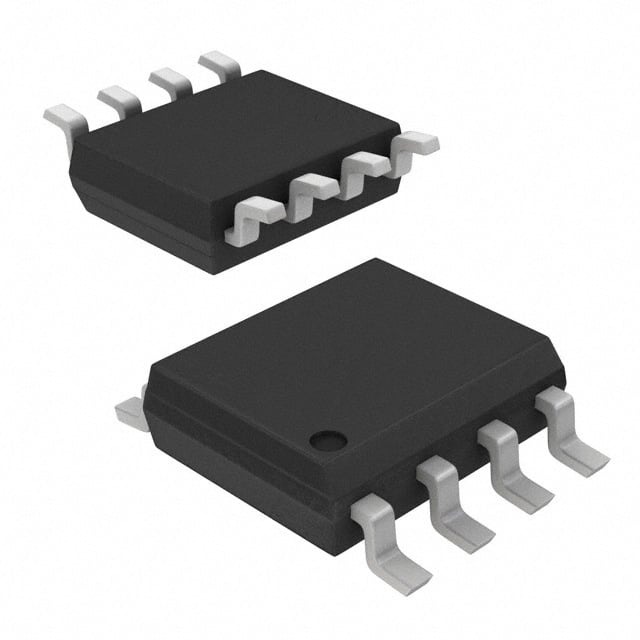
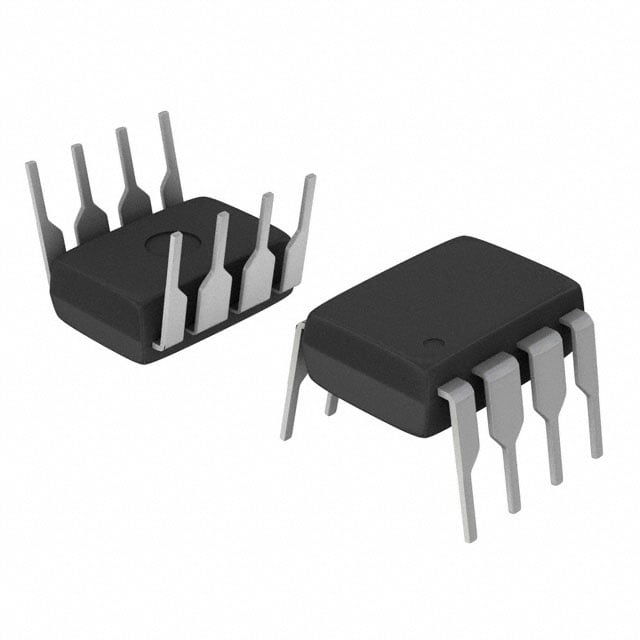
- Package Type: DIP-8, SOIC-8
## Applications
The NE555PS is utilized in a wide variety of applications, including:
1. Timing Applications: It is commonly used for generating precise time delays in circuits, such as timers for lights, alarms, and other devices.
2. Pulse Width Modulation (PWM): The NE555PS is employed in motor control applications to adjust the speed of DC motors by varying the duty cycle of the output signal.
3. Oscillators: It functions as a clock generator for digital circuits, providing timing signals for microcontrollers and other digital devices.
4. Frequency Generators: The NE555PS is used in audio applications to generate tones and sound effects.
5. Flashing Lights: It is commonly used in LED flashers and light chasers, creating visual effects in decorative lighting.
6. Tone Generators: The NE555PS is employed in sound synthesis applications to produce audio tones for alarms, toys, and other electronic devices.
## Conclusion
The Texas Instruments NE555PS is a highly versatile and reliable timer IC that has become a cornerstone in the field of electronics. Its ability to operate in multiple modes, combined with its wide supply voltage range and ease of use, makes it an ideal choice for a variety of applications. Whether used in simple timing circuits or complex PWM applications, the NE555PS continues to be a valuable component for engineers, hobbyists, and designers alike. Its enduring popularity is a testament to its effectiveness and adaptability in modern electronic designs.