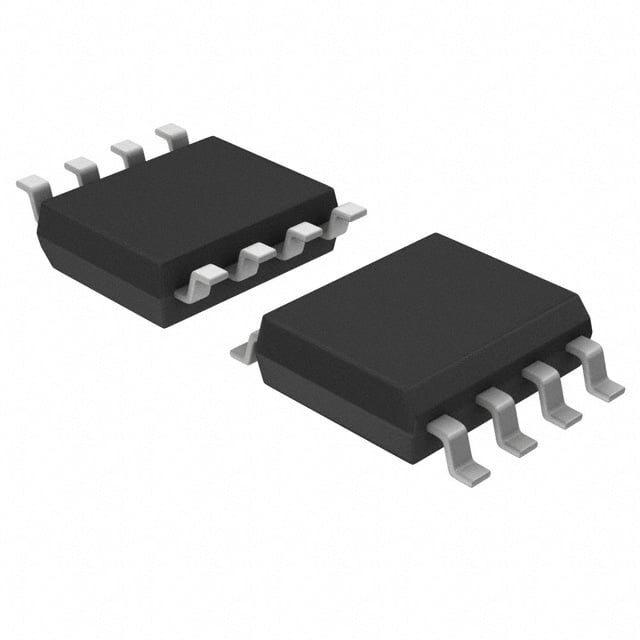
Introduction to Texas Instruments SN74LVC2G00DCTR
The Texas Instruments SN74LVC2G00DCTR is a dual 2-input NAND gate designed for low-voltage, high-speed digital logic applications. Part of the LVC family, this device is optimized for operation in a wide range of applications, including portable electronics, communication devices, and industrial control systems. Its compact size and efficient performance make it an excellent choice for designers looking to implement reliable logic functions in space-constrained environments.
Key Specifications
- Logic Family: The SN74LVC2G00 belongs to the LVC (Low-Voltage CMOS) family, which is known for its low power consumption and high-speed operation.
- Supply Voltage Range: The device operates within a supply voltage range of 1.65V to 5.5V, making it versatile for various applications that require different voltage levels.
- Input Voltage Levels: It supports input voltage levels compatible with TTL (Transistor-Transistor Logic) standards, allowing it to interface seamlessly with other logic families.
- Propagation Delay: The typical propagation delay time for the SN74LVC2G00 is approximately 3.5 ns at 3.3V supply voltage, enabling fast switching speeds suitable for high-frequency applications.
- Output Drive Capability: The device can drive up to 24 mA of output current at a VCC of 3.3V, providing sufficient drive strength for most digital circuits without significant signal degradation.
- Temperature Range: The operational temperature range extends from -40°C to +125°C, making it suitable for use in harsh environmental conditions often encountered in industrial applications.
Functional Features
- Dual NAND Gate Configuration: The SN74LVC2G00 features two independent 2-input NAND gates, allowing users to implement multiple logic functions within a single package. This flexibility is particularly advantageous in reducing component count and board space.
- Low Power Consumption: Designed for low power usage, the device consumes only about 1 µA (maximum) in standby mode. This characteristic makes it ideal for battery-powered devices where energy efficiency is paramount.
- High Noise Immunity: With a high input threshold voltage and low output impedance, the SN74LVC2G00 offers excellent noise margins, ensuring reliable performance even in electrically noisy environments.
- Schmitt Trigger Inputs: The inputs are designed with Schmitt trigger characteristics that provide improved noise immunity and faster rise/fall times when transitioning between states. This feature enhances the reliability of signal transitions and reduces the likelihood of false triggering due to noise.
- Compact Package Options: The device is available in a small SOT23 package (5-pin), which is advantageous for space-constrained designs where PCB real estate is limited.
Applications
The SN74LVC2G00DCTR is suitable for a variety of applications across different fields:
- Consumer Electronics: Used in devices such as smartphones, tablets, and other portable gadgets where space-saving design and low power consumption are critical.
- Industrial Automation: Ideal for control systems that require reliable logic functions under varying environmental conditions, including temperature extremes.
- Communication Equipment: Employed in networking devices like routers and switches where fast signal processing and low latency are essential.
- Automotive Systems: Can be utilized in automotive electronics that demand robust performance under harsh conditions while maintaining energy efficiency.
In summary, the Texas Instruments SN74LVC2G00DCTR dual 2-input NAND gate provides an effective solution for implementing logic functions in various electronic applications. Its combination of low voltage operation, high-speed performance, low power consumption, and wide operational temperature range makes it an attractive choice for engineers designing modern electronic systems. Whether used in consumer electronics or industrial automation applications, the SN74LVC2G00DCTR stands out as a reliable component that meets the demands of today's technology landscape.