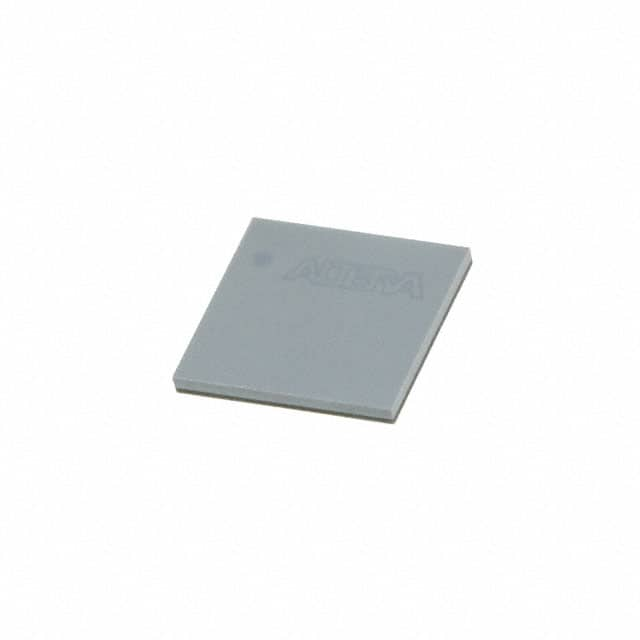
Overview of Intel 10M50DAF256I6G
The Intel 10M50DAF256I6G is a member of the Intel MAX 10 FPGA family, designed for a wide range of applications including industrial automation, automotive, and consumer electronics. This FPGA (Field Programmable Gate Array) offers a combination of flexibility, performance, and ease of use, making it suitable for various digital logic applications.
Key Specifications
- Device Family: MAX 10
- Package Type: F256 (Fine Pitch Ball Grid Array)
- Logic Elements: 50,000
- Maximum I/O Pins: 128
- Operating Voltage: 1.2 V (core), 3.3 V (I/O)
- Maximum Operating Frequency: Up to 200 MHz
- Embedded Memory: 1.5 Mbits of embedded memory (M9K blocks)
- DSP Blocks: 4 DSP blocks (18 x 18 multipliers)
- Configuration: Flash-based configuration
- Temperature Range: Industrial (-40 °C to +100 °C)
Architecture and Performance
The 10M50DAF256I6G features a highly flexible architecture that allows designers to implement complex digital circuits efficiently. With 50,000 logic elements, it provides ample resources for a variety of applications, from simple control logic to more complex signal processing tasks. The maximum operating frequency of up to 200 MHz ensures that the FPGA can handle high-speed data processing requirements.
Memory and DSP Capabilities
This FPGA includes 1.5 Mbits of embedded memory, which can be utilized for data storage and buffering in applications such as image processing and data acquisition. The presence of 4 DSP blocks, each capable of performing 18 x 18 multiplications, enhances the device's ability to handle arithmetic operations efficiently, making it suitable for applications that require digital signal processing.
I/O and Connectivity
The 10M50DAF256I6G supports up to 128 I/O pins, allowing for extensive connectivity options. The I/O pins are configurable for various voltage levels, supporting both 1.2 V and 3.3 V logic levels. This flexibility is essential for interfacing with different types of sensors, actuators, and communication protocols.
Configuration and Development
The FPGA utilizes a flash-based configuration method, which allows for quick reprogramming and updates. This feature is particularly beneficial in development environments where rapid prototyping and iterative design are common. The Intel Quartus Prime software provides a comprehensive development environment for designing, simulating, and programming the FPGA, making it accessible for both novice and experienced designers.
Applications
The Intel 10M50DAF256I6G is suitable for a wide range of applications, including:
- Industrial Automation: Used in control systems, robotics, and process automation where flexibility and reliability are crucial.
- Automotive: Ideal for applications such as advanced driver-assistance systems (ADAS) and in-vehicle networking.
- Consumer Electronics: Employed in devices requiring custom logic solutions, such as smart home devices and multimedia systems.
- Communications: Suitable for implementing communication protocols and data processing in networking equipment.
Reliability and Environmental Considerations
With an industrial temperature range of -40 °C to +100 °C, the 10M50DAF256I6G is designed to operate reliably in harsh environments. This makes it an excellent choice for applications in industrial and automotive sectors where temperature extremes are common.
Conclusion
The Intel 10M50DAF256I6G FPGA is a versatile and powerful device that meets the demands of modern digital design. With its robust specifications, flexible architecture, and extensive development support, it is an ideal choice for engineers looking to implement custom logic solutions across various applications. The combination of performance, reliability, and ease of use makes the 10M50DAF256I6G a standout option in the FPGA market.