The Fairchild Semiconductor FPF2201 is a dual-channel, high-speed power distribution switch designed to provide overcurrent protection, thermal shutdown, and load sequencing for low-voltage systems. It is optimized for applications requiring efficient power management, robust protection features, and minimal board space, including portable devices, computing platforms, and embedded electronics. The FPF2201 integrates current-limiting circuitry, thermal protection, and fast response to fault conditions, enabling reliable and safe operation of sensitive downstream loads.
## Device Architecture and Features
The FPF2201 contains two independent power switches capable of controlling current flow to separate loads. Each channel features a low on-resistance MOSFET switch with integrated current limit, providing high efficiency and low voltage drop. The device includes adjustable current limiting through an external resistor or fixed limit options, enabling designers to tailor protection thresholds for different load requirements. Integrated thermal shutdown circuitry protects the device and connected loads from overtemperature conditions by disabling the switches when junction temperature exceeds safe limits.
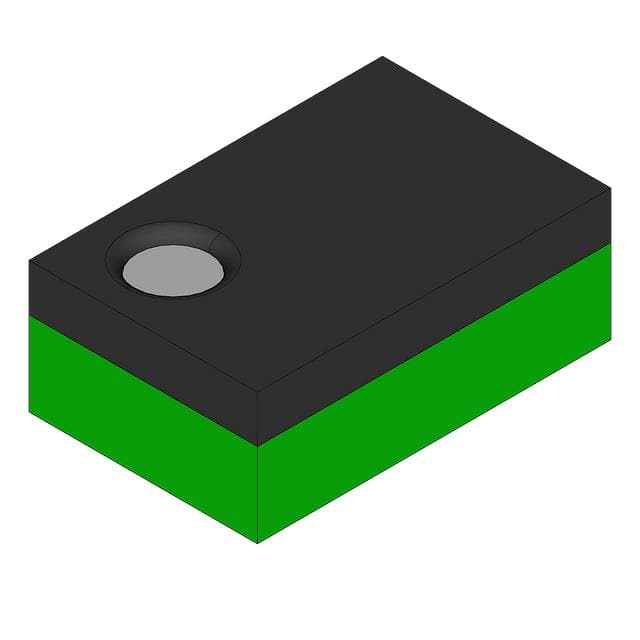
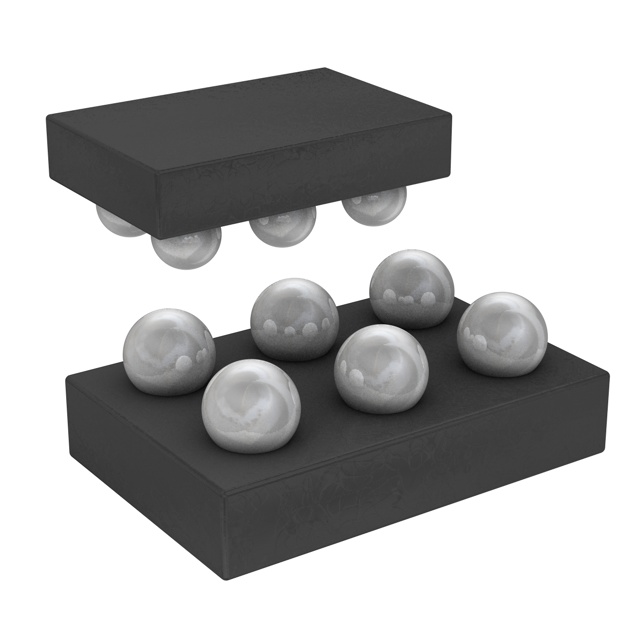
The device supports fast turn-on and turn-off times, minimizing inrush current and voltage overshoot in applications with capacitive loads. Each channel can operate independently, allowing precise power sequencing and enabling multiple power rails to be controlled from a single IC. The device is packaged in a compact SOIC-8 package, allowing high-density PCB designs and ease of automated assembly.
## Electrical Characteristics
The FPF2201 operates over an input voltage range of 2.7 V to 5.5 V, making it suitable for standard logic-level power rails and portable battery-powered systems. The typical on-resistance (RDS(on)) is 55 mΩ per channel at VCC = 5 V, minimizing voltage drop and conduction losses. The maximum continuous output current per channel is 1.5 A under normal thermal conditions, and the device can handle short-term overcurrent events up to 2 A for fault conditions.
The current limit per channel is typically 2.2 A when configured with the internal fixed-limit setting, and can be externally adjusted using a resistor to achieve thresholds appropriate for specific load profiles. The rise and fall times for output switching are approximately 30 ns, providing fast response to control signals while preventing excessive inrush current to capacitive loads. The quiescent current is minimal, typically 15 μA per channel, supporting low-power applications and conserving battery life.
## Thermal and Mechanical Considerations
The FPF2201 is specified for operation over a junction temperature range of −40°C to +125°C. The SOIC-8 package offers low thermal resistance and effective heat dissipation to the PCB, ensuring reliable operation under continuous load conditions. Proper PCB layout, including thermal vias and copper pours, can further reduce junction temperature and improve device longevity, particularly in high-current applications or environments with limited airflow.
The compact package and robust pinout enable straightforward integration into multi-rail power management designs. The device is compatible with automated surface-mount assembly and standard reflow soldering processes, supporting high-volume manufacturing and reducing assembly complexity.
## Protection and Control Features
The FPF2201 integrates multiple protection mechanisms to enhance system reliability:
* Overcurrent protection: Each channel limits output current during fault conditions to prevent damage to downstream components.
* Thermal shutdown: Automatic disabling of channels when junction temperature exceeds safe thresholds, preventing thermal runaway.
* Fast response to fault conditions: Rapid turn-off of switches during overcurrent or thermal events minimizes energy dissipation and protects connected loads.
* Independent channel control: Each output can be enabled or disabled independently, allowing for sequencing and staggered power-up of multiple subsystems.
* Undervoltage lockout: Prevents switch activation when supply voltage is below operational threshold, avoiding erratic operation.
## Applications
The FPF2201 is suitable for a broad range of applications requiring intelligent power distribution and protection:
* Battery-powered portable devices such as tablets, smartphones, and handheld instruments
* Embedded computing platforms and single-board computers
* Hot-swap and plug-in modules with sensitive downstream loads
* Power distribution in industrial and automotive electronics
* Load sequencing and inrush current control for capacitive power rails
* Efficient, high-reliability power management in consumer electronics
Its combination of low on-resistance, fast switching, adjustable current limiting, and integrated thermal protection enables designers to implement compact, efficient, and safe power distribution networks in multi-rail systems.
## Key Specifications
* Device type: Dual-channel power distribution switch
* Input voltage range (VCC): 2.7 V to 5.5 V
* Maximum continuous output current per channel: 1.5 A
* Typical on-resistance (RDS(on)): 55 mΩ per channel at VCC = 5 V
* Peak overcurrent tolerance: 2 A
* Current limit per channel: 2.2 A typical (adjustable externally)
* Rise and fall times: ~30 ns
* Quiescent current: 15 μA per channel
* Operating junction temperature: −40°C to +125°C
* Package: SOIC-8 surface-mount
* Integrated thermal shutdown and fault response
## Conclusion
The Fairchild Semiconductor FPF2201 provides a highly reliable, dual-channel solution for controlled power distribution and protection in low-voltage electronic systems. Its low on-resistance, fast switching, current-limiting capability, and thermal shutdown features ensure safe operation of sensitive loads, while its compact SOIC-8 package and wide operating voltage range allow seamless integration into portable devices, computing platforms, and industrial applications. The device is particularly well-suited for multi-rail power systems, load sequencing, and high-efficiency, high-reliability power management designs.